
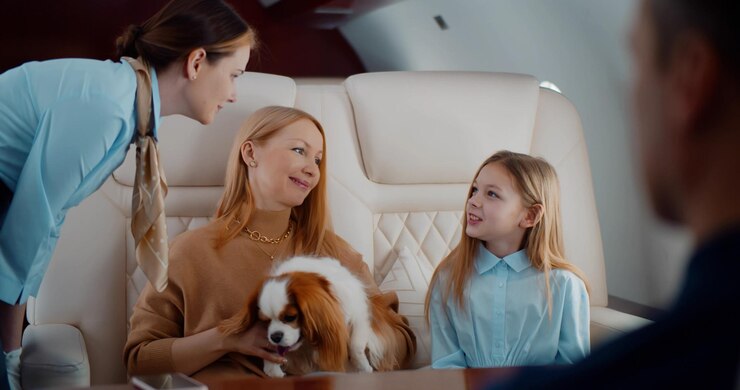
Traveling with pets can be a logistical challenge, especially when dealing with commercial airline policies and long distances. For many pet owners, the traditional options of cargo shipping or sedative travel just aren’t acceptable. That’s where a flight nanny service steps in—a compassionate, secure, and personalized way to ensure your furry family member arrives safely and stress-free.
What Is a Flight Nanny Service?
A flight nanny service involves a trained pet travel professional who accompanies your dog, cat, or exotic animal during a flight—typically in-cabin—to their destination. Unlike cargo shipping, the pet is never left alone. Instead, they are supervised, comforted, and protected throughout the journey.
This service is rapidly growing in popularity due to the increased awareness around pet safety during air travel. Whether it’s a tiny teacup puppy or a rescue animal finding a new home, flight nannies provide peace of mind to pet owners who want only the best care.
How It Works: A Step-by-Step Overview?
Here’s how the process typically unfolds when you book a flight nanny service:
- Booking & Scheduling: Once travel dates are determined, the pet’s flight is arranged with an assigned nanny.
- Pet Pickup: The flight nanny meets the breeder, seller, or pet owner at the departure city.
- Travel Day: Your pet travels in-cabin with the nanny, receiving constant supervision and attention.
- Drop-Off: Upon arrival, the pet is handed off directly to the receiving party or new owner.
This white-glove level of service takes away the uncertainties and risks associated with air cargo, particularly for smaller breeds, senior pets, or animals with medical needs.

Why Choose a Flight Nanny Over Traditional Shipping?
When comparing pet transport options, the benefits of a flight nanny service clearly shine:
- One-on-One Attention: Unlike animals shipped in bulk or cargo holds, your pet gets exclusive supervision from a dedicated professional.
- In-Cabin Travel: Pets are never stowed away—they fly inside the plane with a trusted human companion.
- Reduced Stress: Direct flights, controlled environments, and a caring presence minimize anxiety for pets.
- Updates for Owners: Many flight nannies send photos and video updates throughout the journey, giving you real-time reassurance.
Ideal for:
- Pet breeders shipping puppies to new homes
- Families relocating with pets
- Rescued animals moving across states
- Senior pets needing gentle handling
A well-trained flight nanny can turn a potentially traumatic experience into a calm and safe adventure for your pet.
What to Look for in a Reputable Flight Nanny?
Choosing the right service is essential. Not all flight nannies operate with the same level of care, certification, or professionalism. Here are a few green flags to keep an eye on:
- Experience with multiple breeds or species
- Airline-compliant and TSA-knowledgeable
- Insured and background-checked
- Excellent communication and client reviews
- Ability to handle health certificates and travel documents
Some elite services also offer temperature-controlled bags, emergency kits, and pet-friendly treats onboard to ensure your companion is comfortable.
Cost vs. Value: Is It Worth It?
Flight nanny services can range from $400 to $1,000+ depending on distance, airline fees, and scheduling. While this is more costly than basic cargo shipping, the difference in safety and experience is night and day.
When your pet is more than just an animal—they’re a member of the family—investing in top-tier transport is a small price for peace of mind.
Conclusion: A New Standard in Pet Transportation
The rise of the flight nanny service marks a shift toward more ethical, humane pet travel. As our pets become more integrated into our lives, the demand for compassionate travel options grows.
Gone are the days when shipping pets in the cargo hold was the only choice. With a flight nanny by their side, your pet gets to travel just like they should—safely, securely, and surrounded by care. Whether you’re a breeder, rescuer, or loving pet parent, this service offers the gold standard in animal relocation.