
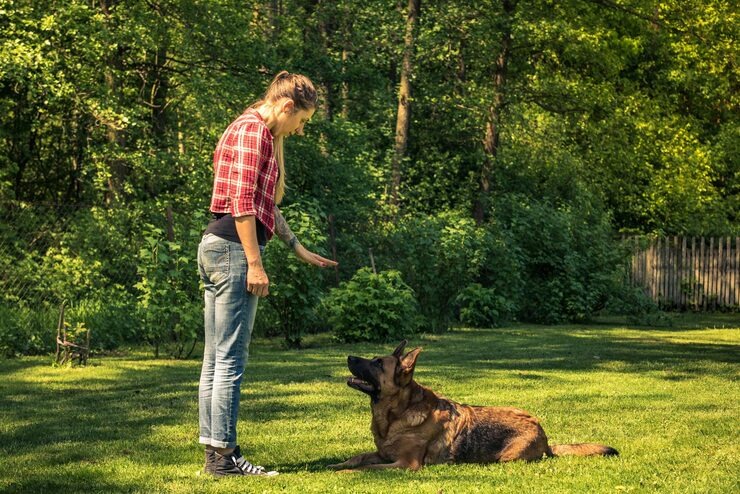
Every dog has the ability to learn with the right guidance and consistency. Whether you have a playful puppy or an older dog with unwanted habits, the right dog training approach can make everyday life easier. Good training helps your dog understand expectations while creating a stronger relationship built on trust and communication.
At Bark To Basics Training, we provide private, in-home, and virtual sessions designed around your dog’s individual needs. Our positive reinforcement methods help dogs gain confidence, improve obedience, and develop better behavior in real-life situations.
Understanding Why Dogs Develop Unwanted Behaviors
Dogs are constantly learning from their environment. Behaviors like barking, jumping, chewing, or pulling on the leash often develop because they have been unintentionally rewarded or never properly addressed.
Instead of simply correcting the behavior, professional training focuses on understanding why it happens. Once the cause is identified, it becomes much easier to teach your dog better choices that last over time. Addressing behavior early helps prevent small challenges from becoming long-term habits.
Build Trust Before Teaching Commands
Training begins with trust. Dogs learn best when they feel safe and understand what is expected of them.
Using positive reinforcement encourages your dog to participate willingly. Rewards such as treats, praise, toys, or playtime motivate learning without creating fear or stress.
As your dog gains confidence, they become more responsive to commands and more eager to work alongside you during every training session.
Why In-Home Dog Training Delivers Better Results
Many behavior problems happen inside the home. Greeting visitors, barking at the door, jumping on family members, or refusing to settle are difficult to solve in unfamiliar training environments.
In-home sessions allow your dog to practice new behaviors where they matter most.
Benefits of training at home include:
- Learning in a familiar environment
- Fewer distractions during early lessons
- Solving real household behavior issues
- Easier practice between sessions
- Involving the entire family in training
This practical approach helps dogs transfer their new skills into everyday life much faster.
Daily Consistency Makes Training Successful
Even the best training program depends on regular practice. Dogs learn through repetition, and short daily sessions often produce better results than occasional long lessons.
Simple routines help reinforce good behavior throughout the day. Consistency also reduces confusion because your dog receives the same clear expectations from every family member.
Daily practice may include:
- Sitting before meals
- Waiting calmly at doors
- Walking politely on a leash
- Coming when called
- Relaxing on a designated mat
Small improvements each day lead to lasting behavior changes.
Puppy Training Builds a Strong Foundation
Puppies experience new situations every day, making early training one of the most valuable investments you can make.
Teaching good habits from the beginning helps prevent future behavior issues while building confidence during important developmental stages.
A puppy training program may include:
- House training
- Crate introduction
- Bite inhibition
- Basic obedience
- Socialization
- Handling exercises
- Confidence-building activities
Starting early creates lifelong habits that benefit both you and your puppy.
Helping Adult and Rescue Dogs Learn New Skills
Many owners believe older dogs cannot change their behavior, but dogs continue learning throughout their lives.
Adult and rescue dogs often adapt quickly once they receive clear communication and consistent guidance. Professional training helps them overcome fear, anxiety, poor manners, and other learned behaviors.
Each lesson is customized to your dog’s personality, experience, and comfort level, allowing steady progress without unnecessary pressure.
Virtual Training Offers Flexible Learning
Busy schedules should not prevent your dog from receiving quality training.

Virtual sessions provide personalized coaching that allows you to work with your dog from the comfort of your home. During each session, your dog trainer observes your dog’s behavior, demonstrates techniques, and provides step-by-step guidance.
Virtual training works well for:
- Basic obedience
- Puppy foundations
- Household manners
- Behavior coaching
- Owner education
Combined with regular practice, virtual instruction can produce excellent long-term results.
Why Choose Bark To Basics Training
Every dog deserves an approach that respects their individual personality and learning style.
At Bark To Basics Training, we focus on positive reinforcement methods that encourage lasting behavioral improvements without intimidation or punishment. Whether you need help with a young puppy, an energetic adolescent, or an adult dog with specific behavior concerns, every program is designed around your goals.
Our private, in-home, and virtual training options provide flexible solutions that fit your lifestyle while helping your dog become a calm, confident companion.
Conclusion
Training is one of the most rewarding investments you can make for your dog. With patience, consistency, and professional guidance, your dog can develop better manners, improved confidence, and stronger obedience in everyday situations.
Bark To Basics Training provides personalized training programs that help dogs of all ages succeed through positive reinforcement. Start today and enjoy a happier, more enjoyable relationship with your dog for years to come.
FAQ
1. What age should dog training begin?
Training can begin as soon as a puppy arrives home. Early lessons help build good habits and prevent unwanted behaviors from developing.
2. Does in-home dog training work better than group classes?
In-home training focuses on your dog’s real-life environment, allowing behavior problems to be addressed where they naturally occur.
3. Can professional dog training help with excessive barking?
Yes. Professional training identifies the reason behind excessive barking and teaches your dog more appropriate behaviors using positive reinforcement.
4. How often should I practice training with my dog?
Short daily sessions of 10 to 15 minutes are usually more effective than occasional longer sessions and help reinforce consistent learning.
5. Is virtual dog training effective?
Yes. Virtual training provides personalized coaching, practical demonstrations, and ongoing support, making it an effective option for many dogs and their owners.