
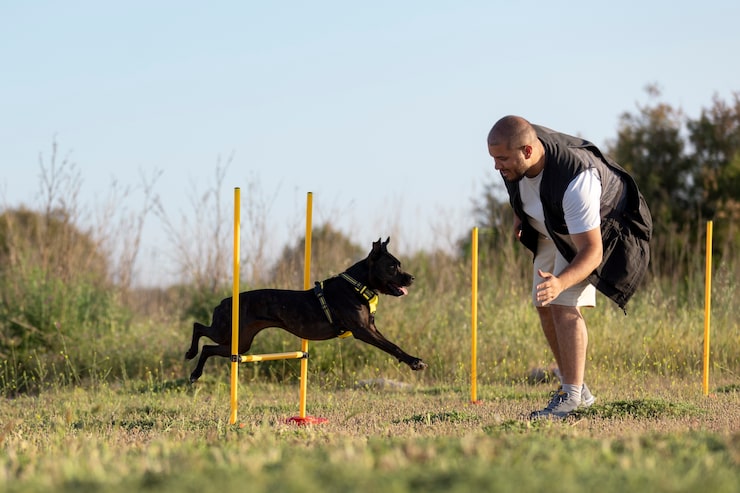
Welcoming a dog into your life is a joyful journey filled with wagging tails, wet noses, and unconditional love. But let’s be honest — without the right guidance, your furry friend can quickly go from adorable to a full-blown tornado of chewed-up shoes and couch cushions. That’s where understanding and applying effective dog training techniques makes all the difference.
Whether you’re a first-time dog parent or have a house full of hounds, it’s never too late (or early!) to learn how to better communicate with your four-legged friends.
Why Positive Reinforcement is a Game-Changer in Dog Training Techniques?
Gone are the days of strict dominance-based training. Today, scientists and behaviorists agree that kindness will win.
Positive reinforcement is all about rewarding the behaviors you do want — not punishing the ones you don’t. That means treats, praise, toys, or even belly rubs every time your dog does something right. Over time, your dog will associate good behavior with happy outcomes and naturally repeat it.
- Example: If your dog sits calmly when guests arrive, immediately reward them with a treat and say, “Good sit!” That small moment plants the seed of consistent good behavior.
Dogs, like us, learn best in a low-stress, supportive environment. And here’s the bonus: positive training strengthens your bond with your dog, making them trust and respect you even more.
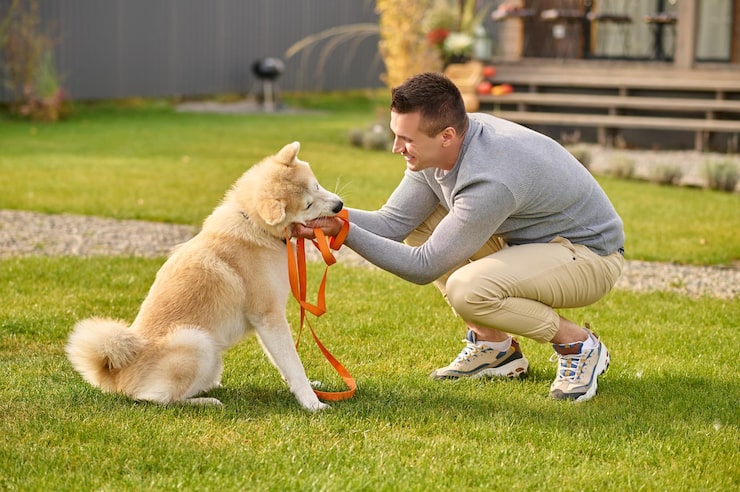
Building Blocks: Core Dog Training Techniques Every Pet Parent Should Use
Now that we understand the power of positive reinforcement, let’s talk about strategy. Here are some essential dog training techniques that work for all breeds and ages:
1. Clicker Training
Clicker training is a form of marker training. You use a small handheld clicker to “mark” the moment your dog does something right, followed immediately by a treat. The click becomes a promise: “Yes, that’s what I wanted!”
2. Leash Training
Tired of being pulled down the street like a sled dog driver? Leash training teaches your pup to walk nicely beside you using cues, rewards, and patience. A popular method is the “stop and go” — simply stop walking when your dog pulls and only continue once the leash slackens.
3. Crate Training
A crate isn’t a cage — it’s a safe, cozy den. Crate training helps with housebreaking, prevents destructive behavior when you’re away, and gives your dog a secure place to relax.
4. Socialization
Expose your dog early (and often) to different people, environments, and other animals. The more experiences your pup has, the more confident and well-adjusted they’ll become. Just make sure all interactions are positive and safe.
5. Impulse Control
Teaching commands like “leave it,” “wait,” and “stay” can help your dog manage excitement, fear, or frustration — leading to better manners in any situation.
Tips for Staying Consistent with Your Dog Training Techniques
Consistency is the secret sauce. Dogs thrive on routine, and if everyone in your household follows the same rules, your dog will learn faster.
- Use the same commands and gestures for each behavior.
- Train in short, fun sessions (5–10 minutes).
- Avoid punishing mistakes — redirect and reward the right behavior instead.
- Celebrate small wins — patience pays off!
And don’t forget training isn’t a “one and done.” It’s an ongoing process, especially when introducing new environments, people, or routines.
Conclusion: A Well-Trained Dog is a Happy Dog (and So Are You)
Effective dog training techniques aren’t about control — they’re about connection. They help your dog understand what’s expected while making them feel safe, respected, and loved. Training not only makes your life easier, it also enriches your dog’s mental health and happiness.
Start small, stay patient, and celebrate the progress — one tail wag at a time.